








The Benefits of Buying Pre-Owned APUs for Aircraft Maintenance Events
Author: GA Telesis
Introduction
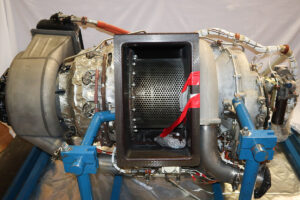 Aviation continuously seeks innovative solutions to improve operational efficiency while minimizing costs. One area that has garnered significant attention is the procurement of used serviceable Auxiliary Power Units (APUs). APUs are essential components of modern aircraft, often located in the tail cone, providing electrical power, bleed air, avionics, and pneumatic pressure to various onboard systems. An APU is a small gas turbine engine that functions as a self contained power source independent of the main engines. As airlines and operators evaluate their APU options, the benefits of purchasing pre-owned units are becoming increasingly apparent.
1. Inventory Availability
1.1 Global Supply Chain Dynamics
The global supply chain for APUs is an intricate network that plays a vital role in ensuring airlines and aircraft operators have access to the units they need. Aircraft teardowns are a primary source of pre-owned APUs.
When older or retired aircraft are dismantled, their components, including APUs, are made available for resale. This process isn’t just about providing a steady flow of inventory; it’s about allowing operators to acquire units that’ve been previously used in operational settings.
Companies must establish strong relationships with teardown operators to ensure a consistent supply of APUs. Those who do often have the first right to purchase units from aircraft being dismantled. This strategic positioning enables them to ensure timely repairs or recertifications, maintain a robust inventory, and meet customer demands promptly.
The availability of pre-owned APUs can be influenced by market conditions, including the demand for specific models and the overall health of the industry. For example, during the COVID-19 pandemic, numerous aircraft were grounded, thus leading to a temporary decrease in teardowns. As the industry recovers, there has been a noticeable increase in the availability of used, serviceable APUs, especially for popular aircraft models such as the B737, A320, A330, and B777.
1.2 Diverse Inventory Options
The diversity of available APUs is another significant advantage for operators. Operators can source new and pre-owned APUs from two primary manufacturers: Honeywell and Pratt & Whitney. Also, operators can find a greater selection and quantity of available units in the aftermarket from suppliers such as GA Telesis.
This diversification of supply chain allows airlines to select units that best fit their operational needs and budget. The ability to choose from multiple suppliers ensures that operators can find the right APU for their specific aircraft types, lifting needs, and configurations.
Having pre-owned APUs also means dealing with the various conditions they may be bought with, from units with minimal usage, LLP life-limiting requirements, and those that have undergone extensive refurbishment. For instance, operators may opt for overhauled units with new life-limited parts (LLPs), while others may prefer units that are still in good working order but at a lower price and with less LLP life remaining.
1.3 Cost-Effective Procurement Strategies
APU units are among the most expensive systems on the aircraft. New OEM units can range from $600K at airline discounts to $5M for widebody aircraft. The global supply chain for pre-owned APUs not only enhances availability but also allows operators to lower their overall annual spend, thereby reducing maintenance costs overall. Furthermore, by leveraging a network of local suppliers, operators can source APUs from different regions, potentially reducing shipping and logistics costs.
The competitive landscape of the pre-owned APU market fosters an environment where operators can negotiate favorable terms. The sellers often seek to move inventory quickly due to the high cost of carry, particularly if they have recently acquired units through aircraft teardowns. This urgency can translate to better pricing and terms for the buyers, allowing them to secure high-quality APUs at a fraction of the cost of a new unit.
1.4 Timely Access to Inventory
The ability to access pre-owned APUs quickly is crucial for minimizing downtime and enhancing operational efficiency. Supply chain operators ensure access to APUs ready for immediate installation. This capability reduces aircraft-on-ground (AOG) time, allowing airlines to maintain their schedules and avoid costly delays, especially during high-season and hot-season utilization. The procurement process for pre-owned APUs is often streamlined, enabling prompt replacement and avoiding operational disruptions.
Many companies utilize advanced inventory management systems to track the availability of pre-owned APUs. These systems provide real-time data on stock levels, enabling operators to make informed purchase decisions. By having access to up-to-date inventory information, operators can quickly identify available units that meet their specifications and expedite procurement.
1.5 Future Trends in Inventory Availability
There are a few key areas of focus when managing your overall supply chain of used, serviceable APUs. They are:
- Compliance with Aviation Standards: Pre-owned APUs must comply with stringent aviation regulations and standards. Reputable sellers ensure their units meet all required certifications and traceability documentation requirements. This compliance is essential for maintaining safety and reliability in aircraft operations.
- Quality Assurance and Documentation: Operators should prioritize purchasing from suppliers with established quality assurance processes, such as AS9120 and accreditation from companies like the Aviation Suppliers Association (ASA). Proper trace documentation, including maintenance records and certifications, is crucial for verifying the condition and history of pre-owned APUs. This documentation helps operators assess the reliability of the units and make informed purchasing decisions.
- Increased Focus on Sustainability: With a growing emphasis on sustainability, airlines are seeking ways to reduce their environmental impact. The procurement of pre-owned APUs aligns with this goal by promoting the reuse of existing components rather than relying solely on new manufacturing. This trend is expected to drive demand for pre-owned units in the coming years. Again, purchasing from suppliers that maintain an ISO 14001 program is a plus in this respect.
- Expansion of Online Marketplaces: The rise of online marketplaces for aviation parts is making it easier for operators to access a wider range of pre-owned APUs. These platforms facilitate the buying and selling of units, providing operators with more options and greater transparency into pricing, traceability, and availability.
- Technological Advancements: Advancements in technology, such as improved diagnostic tools and data analytics, are enhancing the ability to assess the condition of pre-owned APUs. These technologies provide deeper insights into the operational history and performance of units, enabling operators to make more informed purchasing decisions.
2. Flexible Pricing
2.1 Market Dynamics and Pricing Trends
Operators can manage their APU supply chains in various ways to ensure pricing models fit their budgets. This can range from outright purchases to exchanges to short- and long-term leasing. Flexible pricing is one of the most significant factors in managing a pre-owned
APU, and the availability of units with the desired pricing type can fluctuate with market conditions. For instance, during high-demand periods for specific models, purchase prices or lease rates may increase due to limited supply. Conversely, when there’s an oversupply of units, the operators could benefit from lower prices.
The global market for pre-owned APUs is projected to grow significantly, with a compound annual growth rate (CAGR) of approximately 5.2% from 2022 to 2032. This growth indicates robust demand for pre-owned units, which can, in turn, affect suppliers’ pricing strategies.
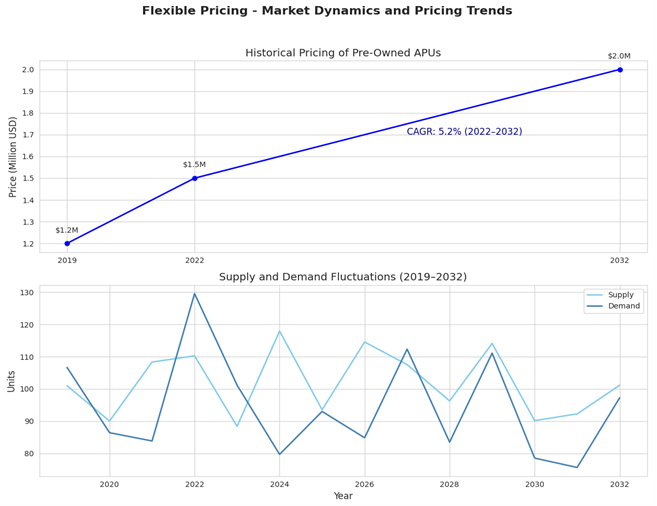
In 2019, the average price of pre-owned APUs was approximately $1.2M USD, and by 2022, this figure had risen to around $1.5M USD between all fleet types. This reflects the increased demand and limited availability, which has led to projections that indicate the average price could reach $2M USD by 2032. This highlights the importance of proactive planning and strategic purchasing or long-term contract decisions for operators looking to manage their costs effectively.
2.3 Cost Comparisons: Pre-Owned vs. New Units
The initial purchase price of pre-owned APUs is typically much lower than that of new units. For example, while a new APU may cost around $2.2M USD before any airline discounts, a refurbished pre-owned unit could be bought for about $900,000 USD to $1.5M USD, depending on its cycles, condition, and remaining life on critical components. This substantial difference in upfront costs allows the operators to allocate their maintenance budgets more effectively.
When evaluating the total cost of ownership, operators must consider not only the initial purchase or lease price but also the ongoing maintenance and operational costs. Pre owned APUs often come with warranties that cover essential components, providing peace of mind in case of repairs. According to industry experts, the total cost of ownership of a pre-owned APU is significantly lower than that of a new unit, especially when depreciation and other maintenance expenses are factored in.
2.4 Negotiation Strategies
The competitive landscape for pre-owned APUs creates an environment where operators can leverage market conditions to negotiate better pricing and favorable terms. For example, if there’s an oversupply of pre-owned units, buyers may have more leverage to negotiate lower prices or longer payment terms. Sellers often seek to move inventory quickly, particularly when they have recently acquired units through aircraft teardowns, which can lead to advantageous pricing for buyers. But when suppliers hold inventory for longer than they like, airlines stand to benefit even more.
Understanding sellers’ motivations can also enhance negotiation strategies. Sellers may be eager to offload inventory due to financial pressure or the need to make space for new acquisitions. In addition, if you work with the same supplier for airframe and engine components, they will be more willing to offer greater discounts on APUs overall. This is known as bundling, providing greater cost benefits to the operator while giving suppliers a larger share of your business. By recognizing these motivations, operators can tailor their negotiation tactics to secure better pricing and terms.
2.5 The Implications for Long-Term Financial Planning
The ability to purchase or lease pre-owned APUs at flexible prices allows operators to allocate their budgets more strategically by opting for pre-owned units. Airlines can free up capital to invest in other critical areas, such as fleet expansion, technology upgrades, service bulletin implementation, or enhanced customer service initiatives. The overall goal of an airline is to keep its Cost per Available Seat Mile (CASM) as low as possible. Because APUs are relatively high-cost components compared to other aircraft components, planning ahead is particularly important in a competitive market where operational efficiency and cost management are paramount.
Investing in pre-owned APUs with flexible pricing structures can also help mitigate financial risks. Given the unpredictable nature of the aviation market, having the option to purchase lower-cost units can provide a buffer against economic downturns or demand fluctuations. Operators can maintain operational capabilities without overextending their financial resources by investing in new units, ensuring they remain agile in response to an ever-changing market. A black swan in the aviation industry always drives significant procurement cuts. USM APU planning ahead helps ensure operations continue at the lowest possible procurement cost, even during unwanted events.
3. APU Depreciation and Maintenance Costs Over Time

The concept of lower cost of ownership is particularly relevant when discussing pre owned APUs. Similar to the depreciation of used cars, the value of an APU decreases as it transitions from new to pre owned. This transition occurs when an APU is first sold or installed on an aircraft and subsequently used in operational service. This is due to the overall lifing requirements placed on various life-limited parts (LLPs) within the unit, if any. This depreciation allows operators to acquire high quality units with remaining life on life-limited parts and perhaps a better flying profile that will be used by that airline. For example, a cargo carrier operates far fewer cycles than a network carrier. The number of overall cycles remaining on the LLPs is not the key factor for a cargo carrier. That means the unit will stay on wing longer, with less up-front cost by purchasing a used, serviceable APU. Many pre-owned APUs have undergone refurbishment or overhauls, ensuring they meet operational standards while providing reliable performance. This refurbishment process often includes replacing LLPs, further extending the unit’s lifespan and reducing the likelihood of unexpected failures.
Lastly, the lower cost of ownership of pre-owned APUs is attributable to the availability of aftermarket support and maintenance services. Operators can work with established MRO providers specializing in APUs, ensuring they receive quality service at competitive rates. Those MROs often offer not-to-exceed (NTE) maintenance quotes, exchanges, or even leases due to the operator’s turnaround time (TAT) requirements.
4. Reliability
Reliability is essential in the aviation industry, where safety and performance are paramount. Pre-owned APUs can offer significant reliability advantages, particularly when sourced from reputable sellers who adhere to rigorous maintenance and MRO selection standards. Quality shops that specialize in APU refurbishment often have established processes for evaluating and restoring used units, ensuring that they meet or exceed industry standards.
Operators who work with reputable MROs often receive APUs backed by solid warranties. These warranties not only provide assurance regarding the unit’s condition but also reflect the seller’s confidence in the product’s reliability. Warranties can cover essential components, offering protection against unexpected failures and minimizing the financial impact of repairs.
Beyond that, the reliability of pre-owned APUs is often bolstered by their operational history; units that’ve been well-maintained and operated within specified parameters are likely to demonstrate consistent performance over time. Operators can review maintenance records and performance data to assess the reliability of a pre-owned APU, enabling informed decision-making. In addition to the reliability of the units themselves, the support provided by sellers and MRO partners further enhances the overall reliability of pre-owned APUs.
5. Supplier Relationship Is Key
When purchasing pre-owned APUs, the overall relationship and ease of doing business with a supplier are other significant advantages that operators should consider. The streamlined procurement process for pre-owned units allows for efficient transactions that minimize delays and complications. Sellers of pre-owned APU units understand the urgency of aircraft operations and strive to facilitate quick and smooth transactions.
Flexible terms and conditions are common in the pre-owned APU market, enabling operators to negotiate arrangements that align with their operational needs. This flexibility can include payment terms, delivery schedules, and warranty provisions. This allows operators to tailor the purchasing experience to their specific circumstances and customer needs.
World-class customer service is a hallmark of reputable sellers in the pre-owned APU market. Many companies prioritize building long-term relationships with their clients and offer personalized support throughout the purchasing process. This commitment to customer service extends beyond the initial sale, as operators can rely on their suppliers for ongoing support and assistance with maintenance and operational questions.
Conclusion –
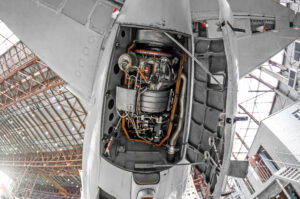 GA Telesis stands out as a leader in the APU market, offering a comprehensive suite of services that cater to the diverse needs of airlines and operators. With a robust inventory of pre-owned APUs, an industry-leading MRO supplier network, a global asset acquisition team, and world class teardown management capabilities, GA Telesis ensures operators have access to high quality, cost-effective solutions that enhance operational efficiency. GA Telesis’s commitment to customer service is evident through its flexible leasing options, rapid exchange programs, and dedicated support for maintenance and repairs. By leveraging strong partnerships and a deep understanding of the aviation industry, GA Telesis not only provides reliable APUs but also fosters long-term client relationships, positioning itself as a trusted partner in the ever-evolving landscape of aircraft operations. Being at the forefront of the pre-owned APU market is just one way GA Telesis is intelligently defining the future of aviation.